
Sticks and humans have not always been friends.
But change is possible.
Together, we can help them become friends,
and maybe even friends-friends.
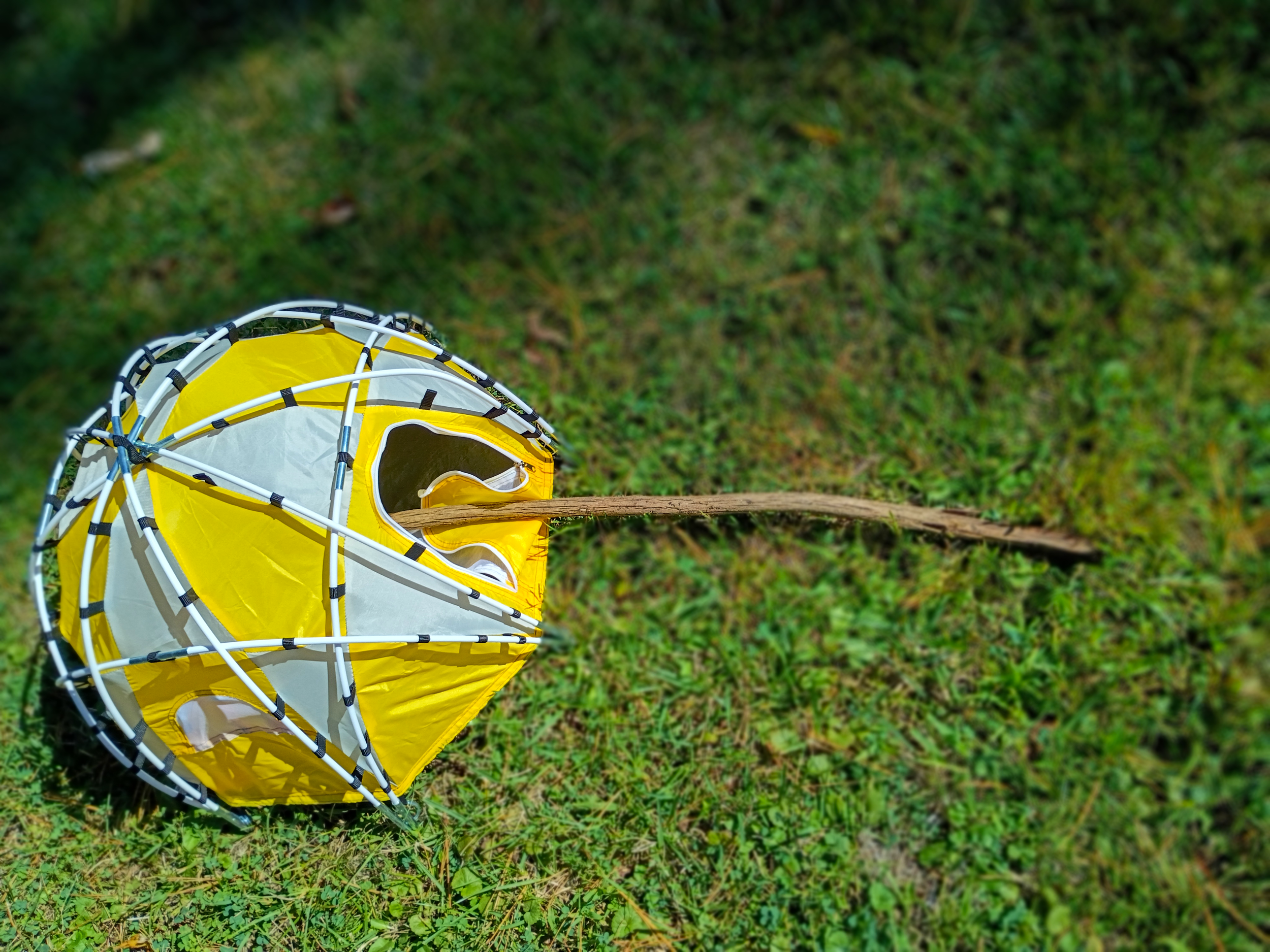
But the relationship between humans and sticks is also more complex. Sticks have held deep symbolic and ritualistic meaning in various cultures. Sticks have been used as raw materials for art, especially things that you see in a museum and say out loud that you totally could have done that. They are also crucial in making many musical instruments, from simple drums and percussive instruments used by streetside hippies to woodwind instruments used by skilled concert nerds.
In sports, sticks are used in games like hockey, lacrosse, and polo. They are integral to many children’s games like “Throw the Stick” and “Run and Beat Down”, a violent off-shoot of tag made popular in Pittsburgh.
Reason for Hope?

The story of human and stick goes back hundreds of thousands of years. For most of history, the relationship was characterized by violence and subjugation.
Sticks and branches have long been used in the construction of human shelters and dwellings. Sticks as young as 12 months are routinely exposed to extreme weather such as hurricanes, earthquakes, and those artificial rain storms that we’re making by shooting bombs into clouds (editor’s note: check Wikipedia on this, it might be something China is doing?); infestations of stick-flesh-eating insects such as termites; and ferocious wild animals like goblin sharks, if they were to evolve to be able to walk on land.
In agricultural practices, sticks have been employed as simple tools for planting seeds, fencing, and in those YouTube videos where two people construct a shelter in the woods by hand in 24 hours without secretly using an off-camera crew and heavy-duty machinery. Sticks are made to stay awake all night to protect human-planted crops, like rutabaga, despite no one in history ever having liked eating it.
A Long History
Famous sticks in history
-

Woody Will: played Willy Wonka’s walking cane in “Willy Wonka & the Chocolate Factory". Had a contentious relationship with co-star Gene Wilder, due to his insistence on being called Willy on set, causing confusion, and infuriating Wilder who wanted to be the only Willy. The two famously resolved their differences in the 1980s.
-
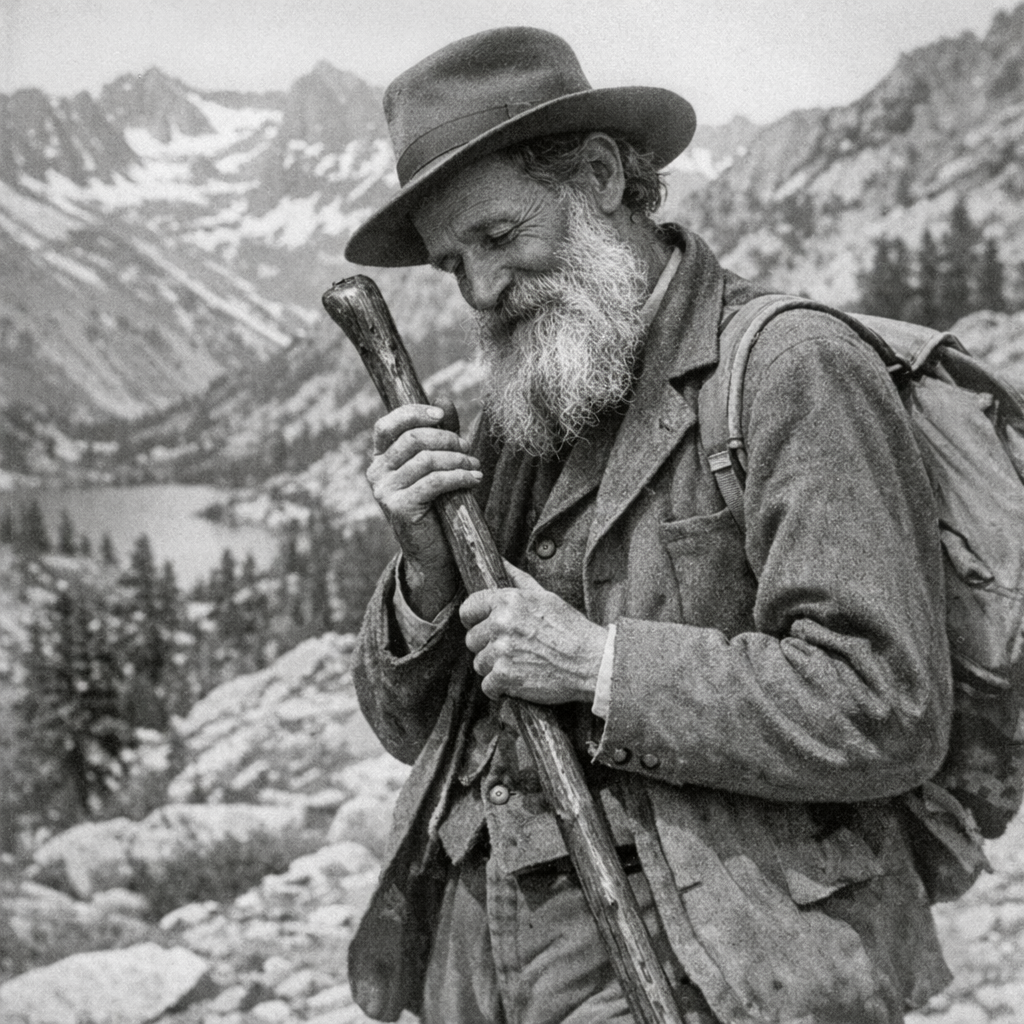
Eliza Mason: accompanied John Muir as he explored the Sierra Nevada. Quite literally saved his life when he lost his footing on a slippery edge, which Muir famously acknowledged in later writings. They maintained a writing correspondence until her death from a lightning bolt in 1908. Historians have characterized the correspondence as “slightly flirty.”
-
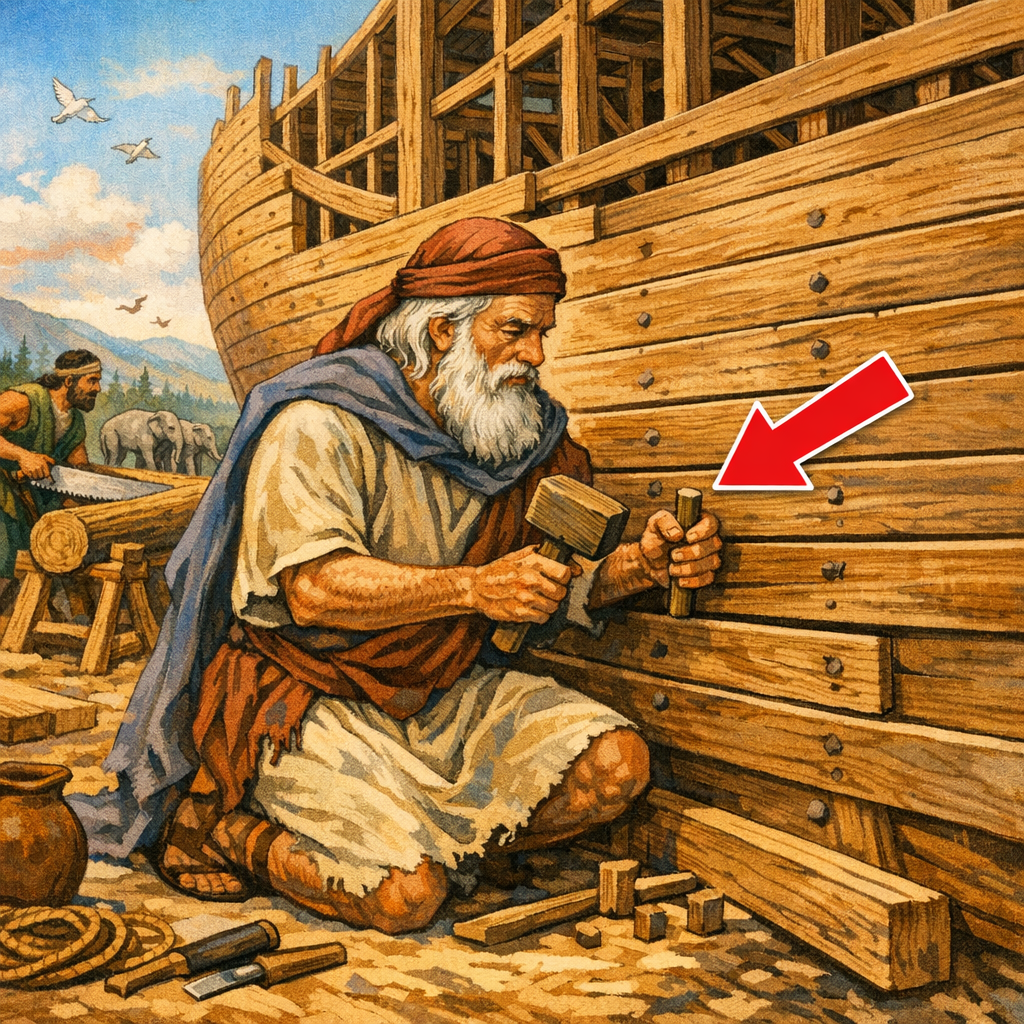
Jeff: used in the construction of Noah’s Ark. Was reportedly not happy about it.
-
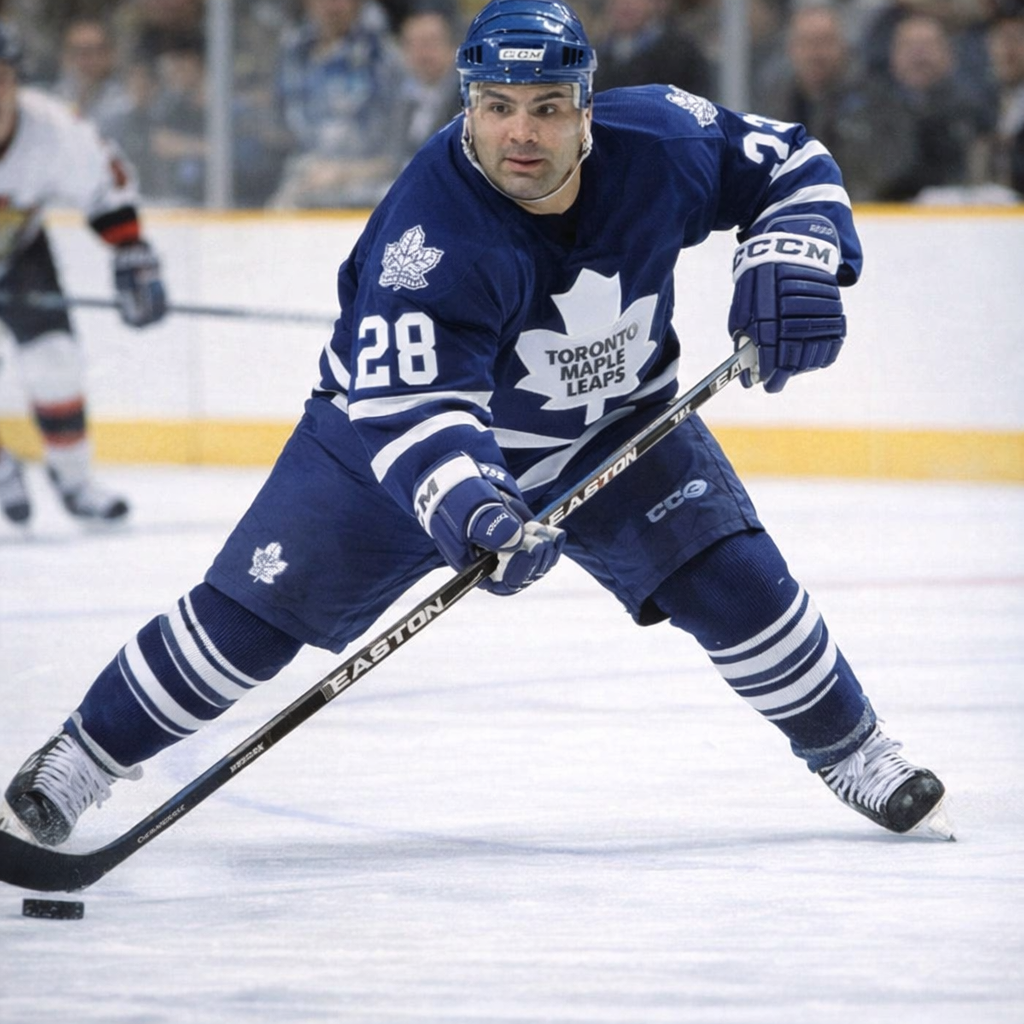
The Predator: trained and made it as a hockey stick to infamous NHL player Tie Domi, who remains the Toronto Maple Leafs’ all-time leader in penalty minutes. Unlike his lethal on-ice persona, the Predator was known by his inner circle to be quite the philanthropist in retirement.
-
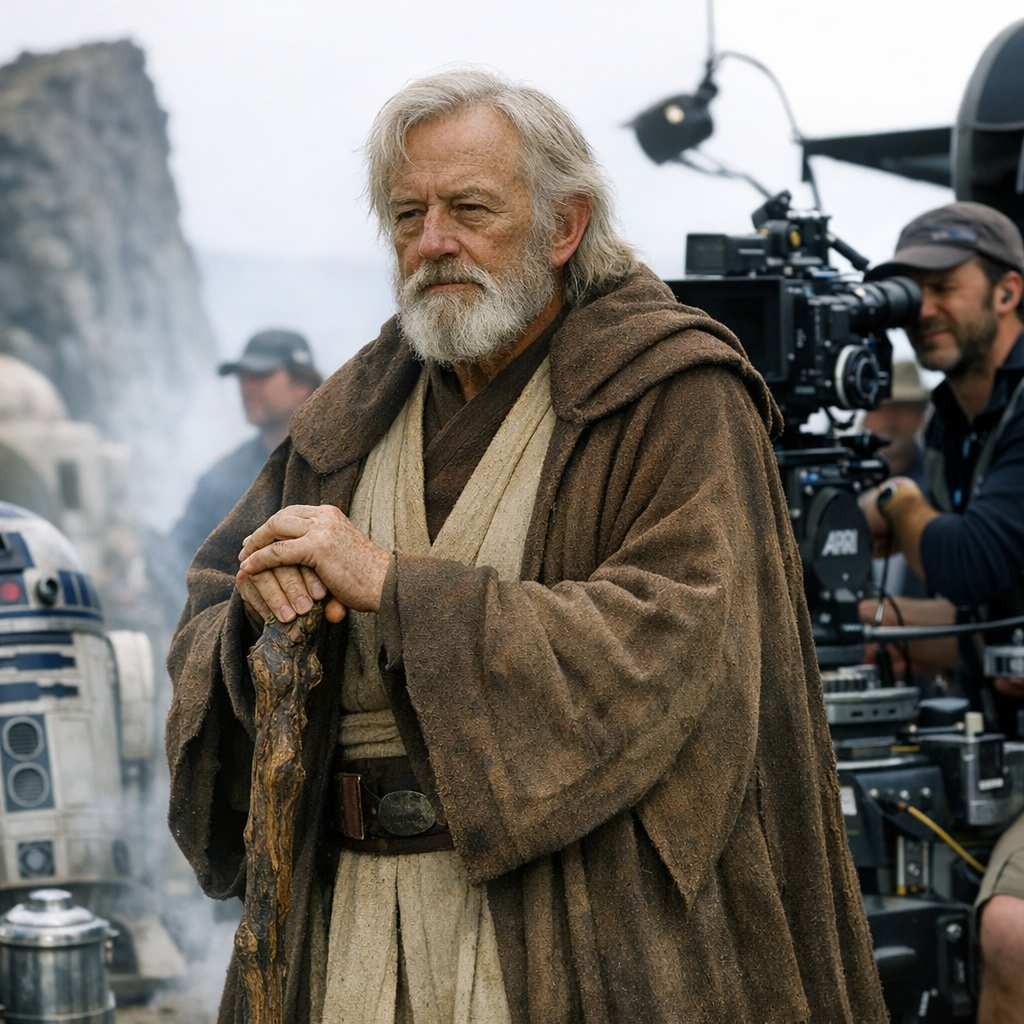
Harry McCormick: appeared in the "Star Wars" series as the Jedi Master’s walking stick. Was unfortunately injured toward the end of the shoot, forcing him into early retirement.
-
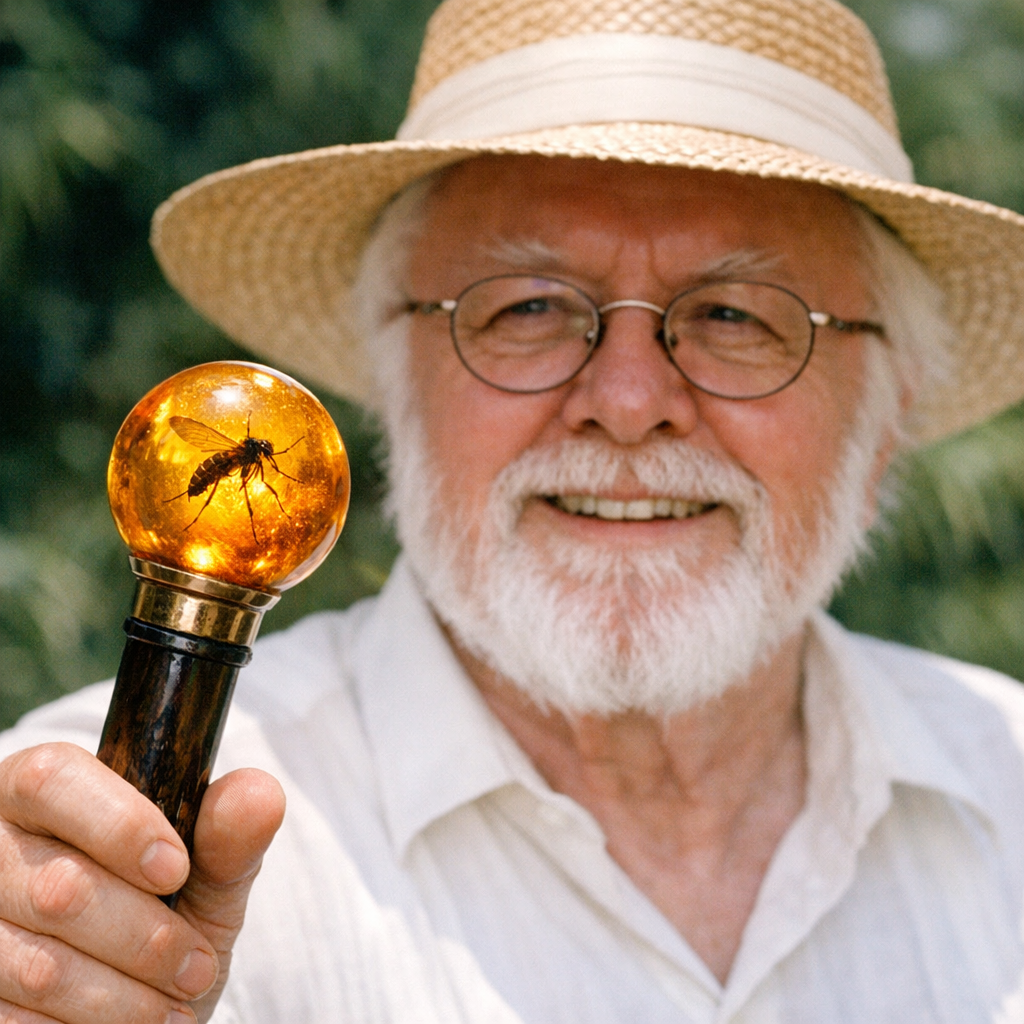
Sam Stickler (stage name): played the stick of character Dr. John Hammond in "Jurassic Park.” Sam was fitted with a prosthetic of a mosquito encased in amber, supposedly the source of the park’s dinosaur DNA. The prosthetic took 2 hours to put on before every shoot.
-
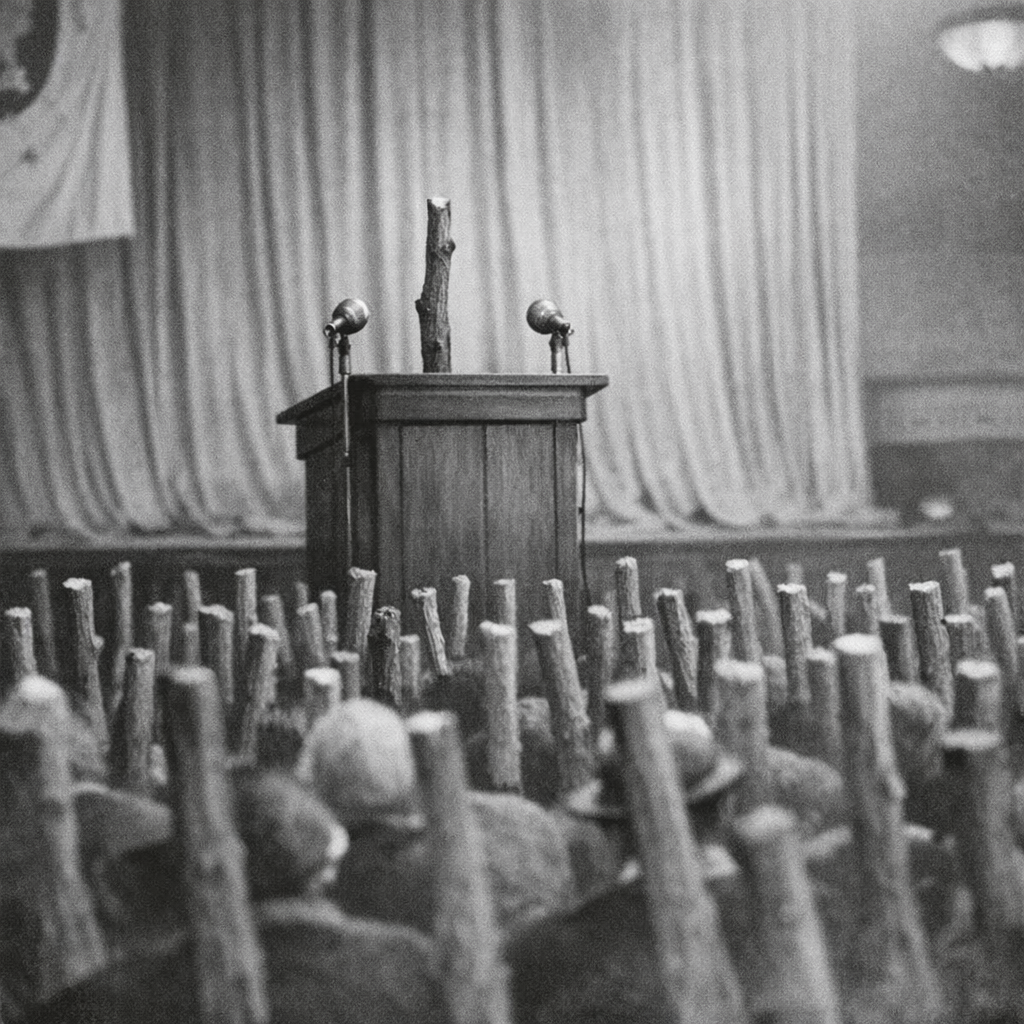
Rowan Fox: was cast as Gandalf’s staff in "The Lord of the Rings" and "The Hobbit" series. Sued the studio for discrimination due to a sizeable pay gap between sticks and metal swords. After a drawn-out, 6 year battle, she eventually won the lawsuit and became the face of stick rights in Hollywood.
-
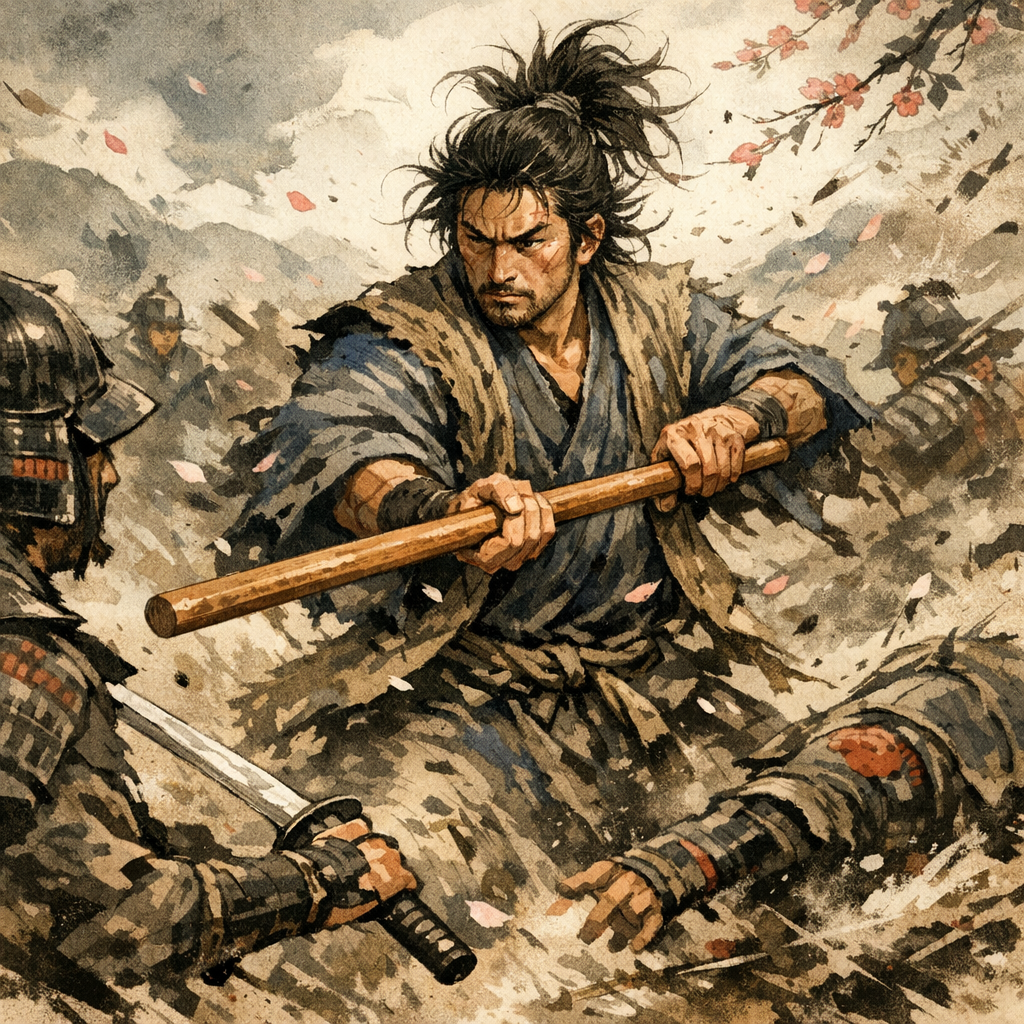
New Katsura Kai: a stick infamous in Japanese history for having been carved into an oar, and subsequently carved into a bokken, a Japanese wooden sword. Was famously used by the swordsman Miyamoto Musashi, in his winning duel against Sasaki Kojiro.
-
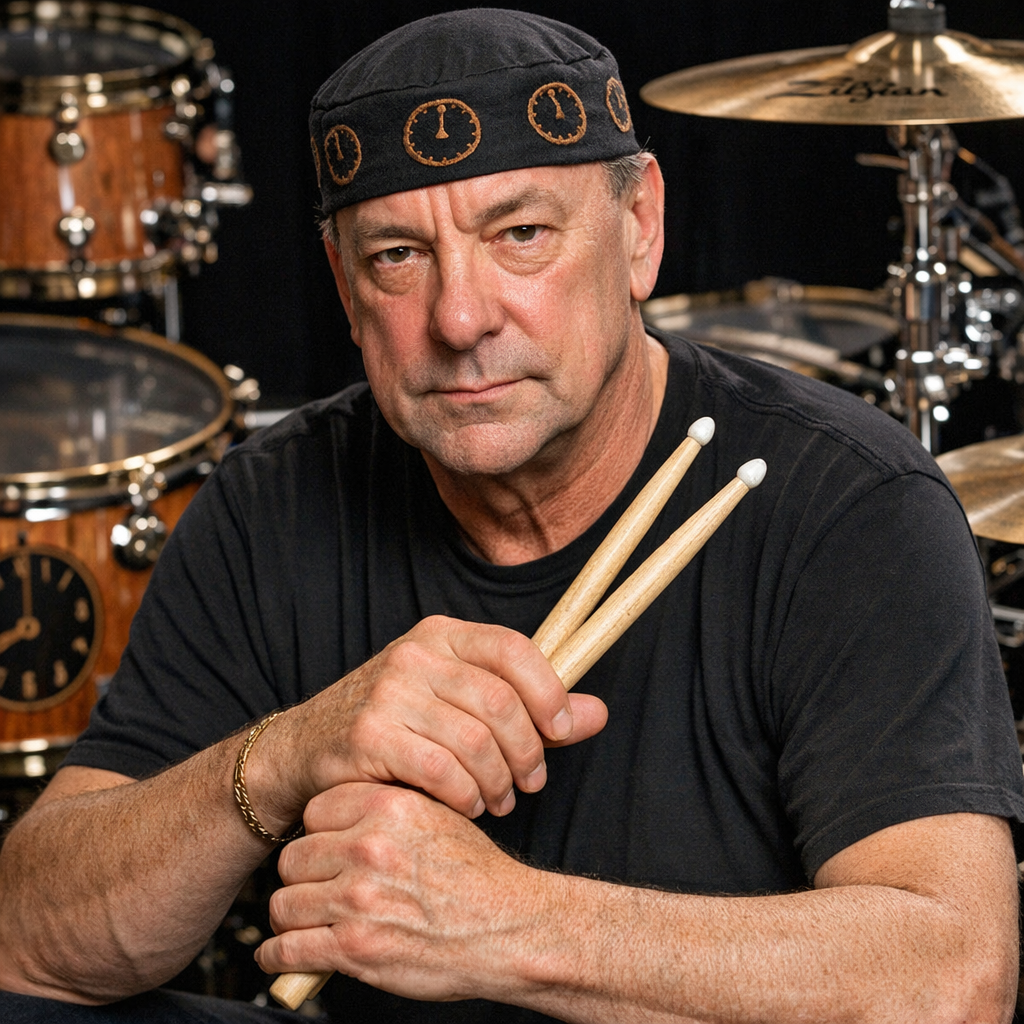
Dewey Smith: rose to fame as Neil Peart’s left (stage left) drum stick. Toured with the band Rush through the height of their fame. In the late 1970s, the lifestyle caught up with him and he checked himself into an undisclosed celebrity rehab in upstate New York. He stayed sober through the end of his life.
Did you think that the Education tab meant educating your stick?
Rather than fix our website, we have decided to monetize this confusion! For a limited time, you can purchase our digital stick training sheet, complete with commands you can teach your pet stick! Visit our shop today.